Using Reverse Dictionaries for Keyword Research

I have previously listed several online dictionaries that define any word you specify. That’s so-to-say the direct process: you give a word and its definition (explanation) is returned. Now, imagine we go in the opposite direction: you give (several) word(s) and all the terms that can be defined using the words you give are returned.

This is how reverse dictionaries work: they list the terms which definitions contain the specified word(s). Now, the benefit for the keyword research is quite clear: this is another (alternative) way to broaden the scope of your core terms by researching related words and phrases.

Here are two completely free online reverse dictionaries:

OneLook Reverse Dictionary

Onelook reverse dictionary returns the list of related terms, each word linked to its definition:

Sample search: [obesity]
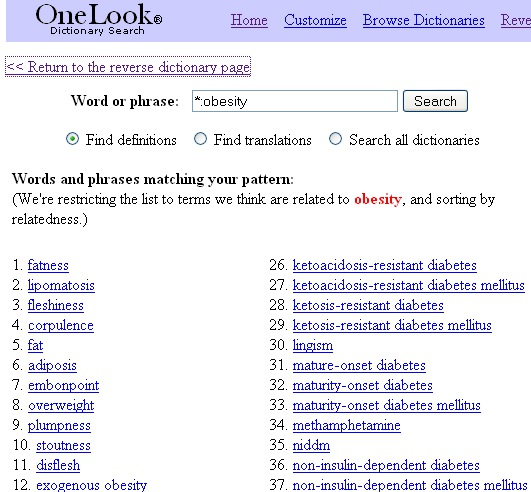
OneLook reverse dictionary

Reference.com Reverse Dictionary

Reference.com reverse dictionary clusters related terms into groups by their meaning and gives the actual definition for each cluster:

Sample search: [obesity]
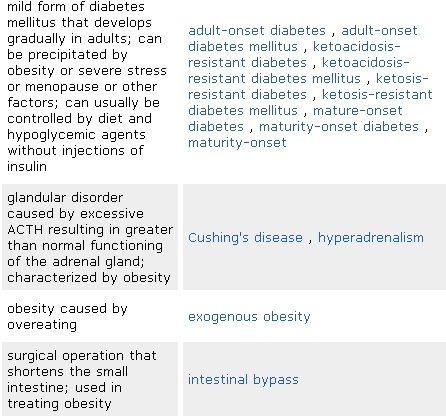
Reference.com reverse dictionary

Any more reverse dictionaries you are aware of?

Written By:
PG

Ann Smarty | My Blog Guest | @seosmarty

Ann Smarty is the blogger and marketer specializing in SEO consulting and guest blogging. Ann's expertise in blogging and tools serve as a base for her writing, tutorials and her guest blogging project, MyBlogGuest.com

More Posts By

Comments

  1. Hi Ann – thanks for sharing this information on using reverse dictionaries for keyword research. Very useful, particularly for anyone involved in writing content for the web.

    • pandiyarajan says:

      I think we can use this tool for the keyword research in addition with Google Keyword tool, Word tracker to enhance our keyword selection. We use this technique while we use broad keyword match in Google Adwords and get the effective negative keywords too.

  2. Ralph Jung says:

    Good idea, thanks. Here is another reverse dictionary that I bookmarked at some point:

    http://new.wordsmyth.net/?mode=rs

  3. Janet says:

    Hey, that’s a very smart way to find keywords thank you!

  4. Tim Cohn says:

    Great keyword research strategy Ann.

  5. Wow! Thanks Ann for sharing this great technique. I’m definitely going to be using this.

  6. Marty Martin says:

    I just used it for the first time today. Thanks!

  7. mohamed says:

    Thanks a lot its very useful tool .

    http://www.islamonline.net

  8. farooq ahmed says:

    This is a good technique. You don’t have to run for competitive keywords.

  9. SeoNext says:

    This isi really an amazing tool,thanks a lot for sharing with us.Really a nice post.

  10. MyCult says:

    That is very clever indeed!

    I usually used the old 100result & a tilda (~) before the search and see which term G bolds. e.g. http://www.google.co.uk/search?q=~flights&num=100 look at the terms highlighted in bold.

    This reverse dictionary is another great (possibly better) way for finding semantically related words to sprinkle through your content. Thanks for this lady.

  11. How clever! Great suggestion.