

Google has launched a home on the web for marketers to discover the top trending product searches across different categories.
Google Shopping 100 highlights the products that have recently seen an increase in US searches. It’s important to note that these are not necessarily the top product searches overall, they’re products that are rising in popularity.
Related: Google Reveals Top Trending Searches of 2019
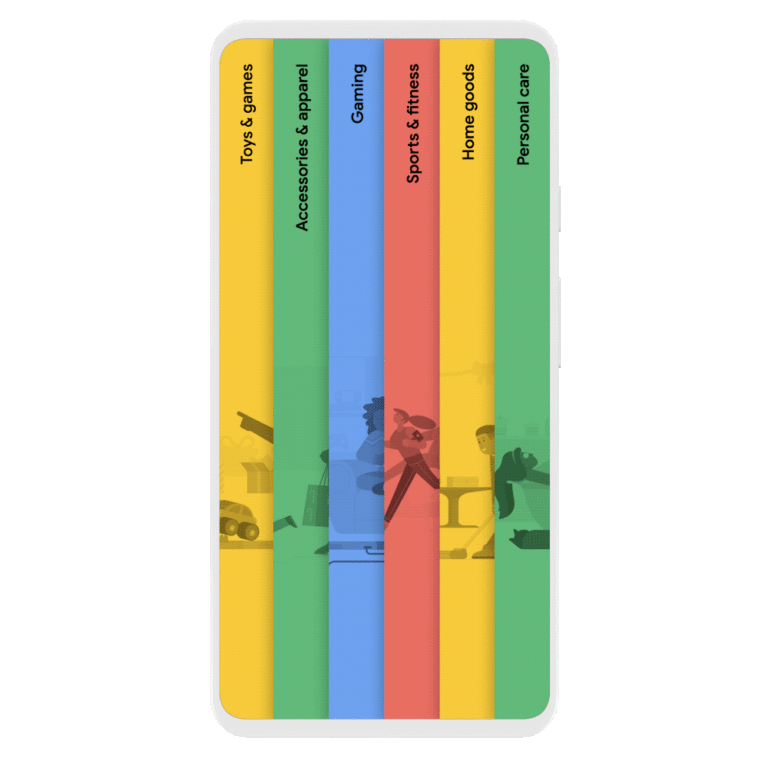
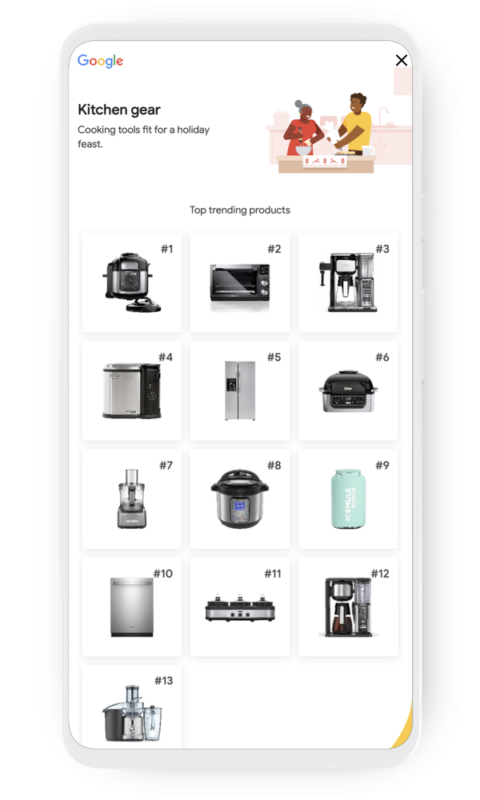
“Spanning ages and interests, we’ve highlighted some of the top categories for holiday gifts, like tech, kitchen gear, and toys and games. We see a lot of warm, furry boots in accessories and apparel, while high tech vacuums are big in home goods.”
While the holiday season is an opportune time to launch Google Shopping 100, it’s possible that it could still be used to discover trending product searches throughout the year.
Related: 5 Google Shopping Tips to Prepare for the Holiday Season
Consumers can use Google Shopping 100 for gift-giving inspiration, comparing prices of different online retailers, and finding out whether a product is in stock at a nearby store. Marketers can use it to keep up with what consumers are interested in, and use the information to do things like create content and earn affiliate income.
Google Shopping 100 showcases products in the following categories:
- Tech
- Kitchen gear
- Toys & games
- Accessories & apparel
- Gaming
- Sports & fitness
- Home goods
- Personal care
Time will tell if this new web portal can be used throughout the year. It could prove to be a useful consumer research tool.
Related: A Beginner’s Guide to Shopping Ads
